
Climate
Nairobi National Park weather
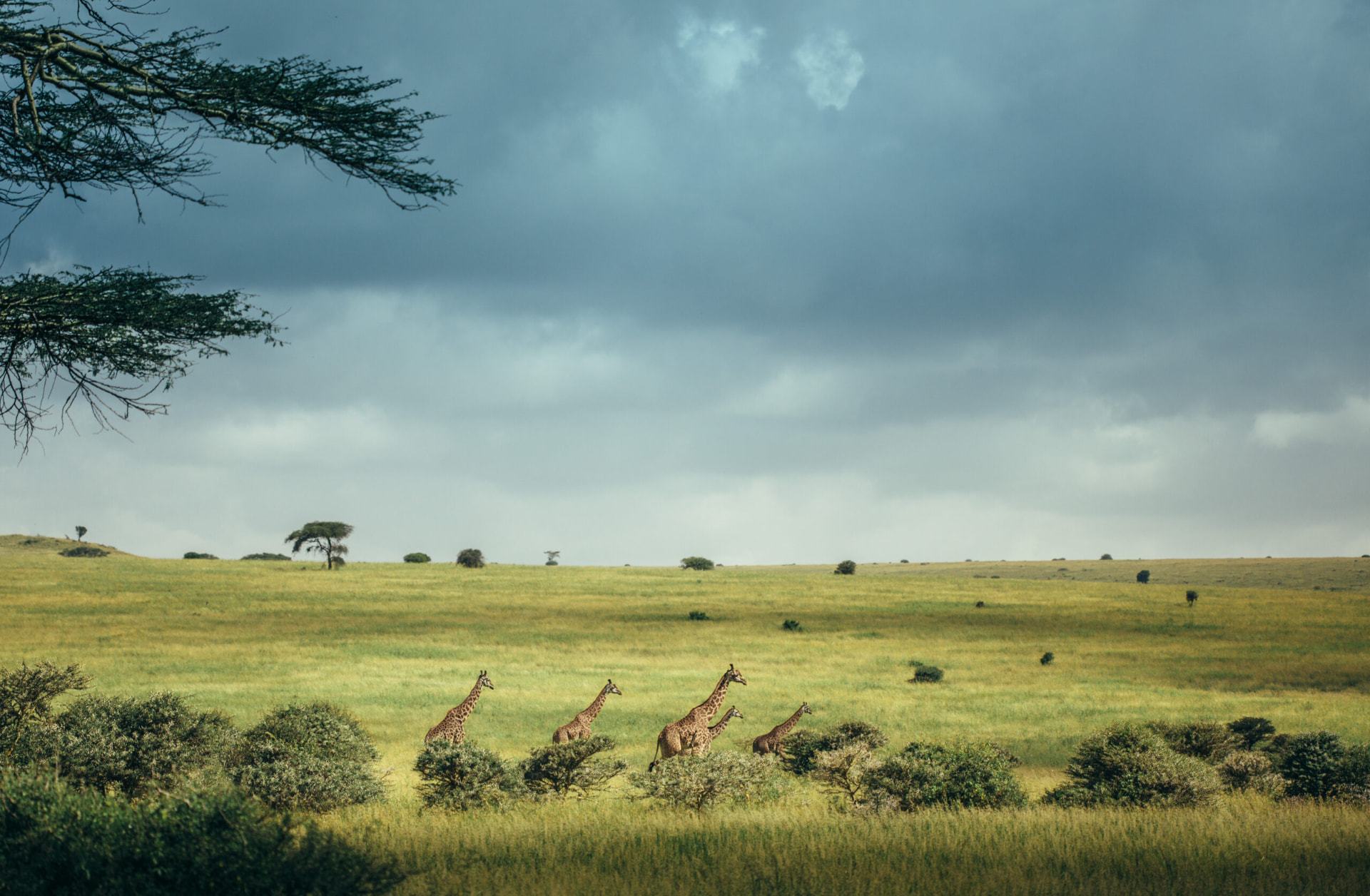
At around 1,600 metres above sea level the park is far cooler than most people expect of equatorial Kenya. Mornings are genuinely cold; afternoons are warm and dry.
Typical temperatures
- Daytime highs: 22–28°C most of the year, hottest in February and March
- Dawn lows: 10–13°C, and colder in an open safari vehicle at speed
- July and August are the coolest and often overcast months
- Humidity is low and evenings cool quickly after sunset
Rainfall pattern
Long rains fall from late March to May, usually as heavy afternoon storms rather than all-day rain. Short rains arrive in November and early December and are lighter and more scattered.
January to March and July to October are the dry months, when tracks are firm and game concentrates around permanent water.
What the weather means for your drive
- After heavy rain the black-cotton soil tracks in the Athi Basin become slippery — a high-clearance 4x4 is strongly advised.
- Green-season mornings are often clear and beautiful even when afternoons storm.
- Overcast July skies are excellent for photography of dark subjects such as buffalo and rhino.
- Dust in October can be heavy; carry a lens cloth and keep camera bags closed.
Dressing for the conditions
Layer. A fleece or light down jacket for the 06:00 start, a long-sleeved shirt for sun protection by mid-morning, and a rain shell between March and May.
More on planning your visit
- Visitor guideEverything a first-time visitor needs in one place.
- Opening hoursGate times, last entry and the best hours to be inside.
- Park gatesEvery gate, where it leads and which one to use.
- Park mapOrientation map of gates, lodges and the main circuits.
See all guides on Plan your visit, or check park fees and the best time to visit.
Not sure where to stay in Nairobi National Park?
Tell us your dates, budget and travel style and we will recommend the camps and lodges that fit — with no obligation.