About the park
The history of Nairobi National Park
Gazetted in 1946, Nairobi National Park was Kenya's first — and it remains one of the only national parks on earth inside a capital city.
Nairobi National Park exists because a handful of people in the 1940s refused to accept that the plains game around a growing colonial town was expendable. Mervyn Cowie, who grew up watching wildlife on the Athi plains, campaigned for years for formal protection. In 1946 the park was gazetted: 117 square kilometres of grassland, acacia and riverine forest, seven kilometres from the city centre.
Why the southern boundary was left open
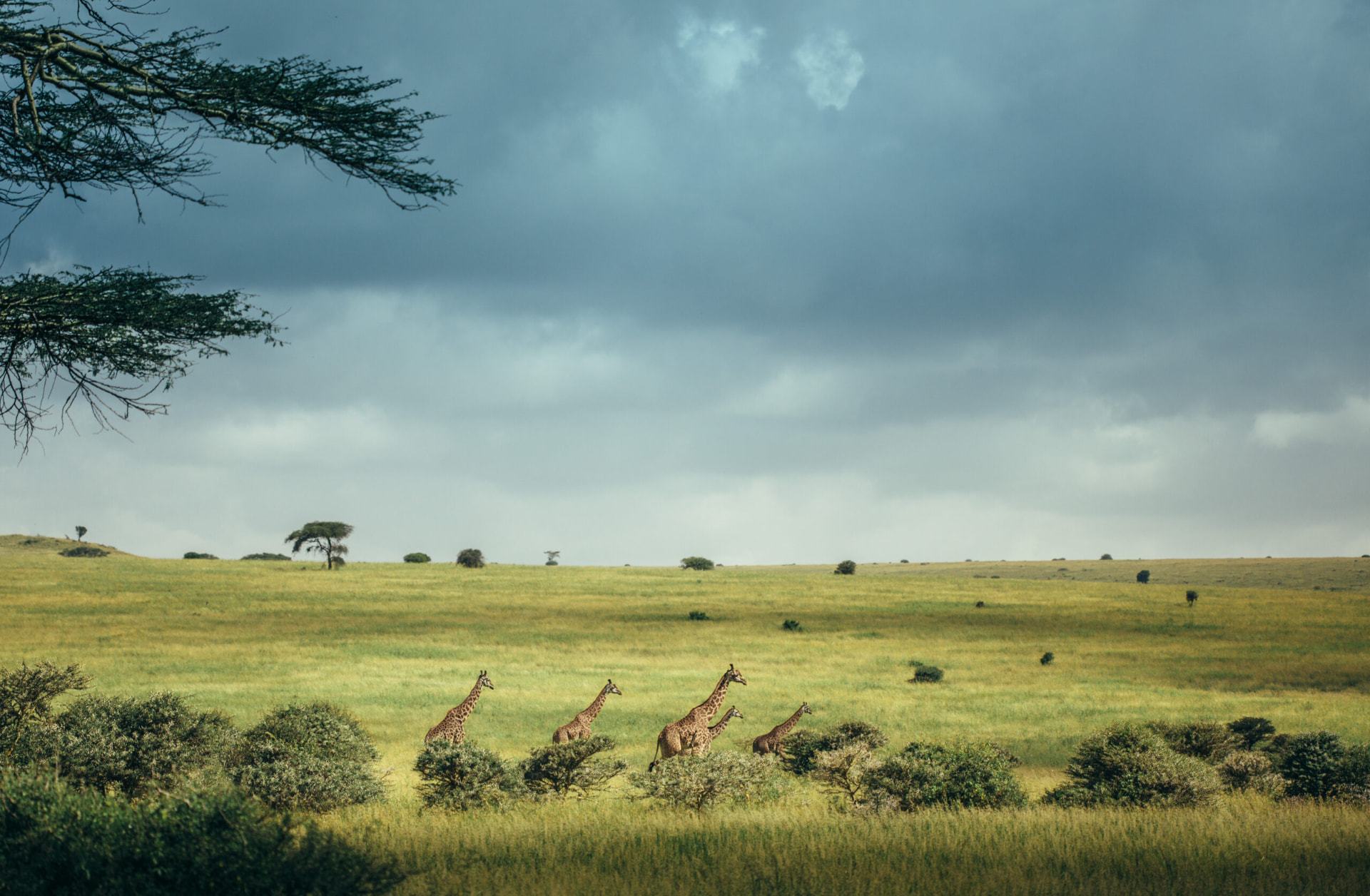
The Mbagathi River marks the park's southern edge, and it was never fenced. That decision is the single most important thing to understand about how this park works. Zebra and wildebeest still move out onto the Kitengela plains in the wet season and drift back into the park as the surrounding grass dries out. From Ololo, on the southern boundary, our guides watch that movement every year — the plains in front of the lodge fill and empty with the rains.
The 1989 ivory burn
On 18 July 1989, twelve tonnes of confiscated elephant tusks were set alight inside the park. The image travelled the world and helped push through the international ivory ban that year. The Ivory Burning Site Monument is a shortdetour from the Main Gate and is worth ten minutes of any game drive — most visitors drive straight past it without knowing what it is.
A rhino stronghold
From the 1980s onwards the park became a core black rhino sanctuary. Its small size, fenced perimeter and permanent ranger presence made it defensible during the worst poaching years, and rhino born here have since been translocated to restock other Kenyan parks. It is still the reason a two-hour drive here can produce a sighting that takes days elsewhere.
The park today
The pressures are now urban rather than colonial: a standard-gauge railway line crosses the park on raised pylons, Nairobi's southern suburbs press against the fence, and land in Kitengela is steadily being subdivided. Conservation work here is largely about keeping that southern corridor viable — which is why lodges, conservancies and landowners on the southern boundary matter so much to the park's future.
Timeline
From 1946 to today
1899 – 1930s
The Athi plains south of the new railway town of Nairobi are open grazing land used by Maasai pastoralists. Wildlife moves freely between the plains and what is now the city.
1946
Nairobi National Park is gazetted — the first national park in Kenya, championed by naturalist Mervyn Cowie after he watched the plains game around Nairobi disappear.
1960s – 70s
Fencing goes up along the northern, eastern and western boundaries as the city grows. The southern boundary along the Mbagathi River is deliberately left open.
1989
President Daniel arap Moi burns twelve tonnes of confiscated ivory inside the park. The Ivory Burning Site Monument still marks the spot, and further burns have been held here since.
1990s – 2000s
The park becomes one of Kenya's most important black rhino sanctuaries and a source population for restocking parks elsewhere in the country.
Today
Kenya Wildlife Service manages the park from its headquarters at the Main Gate, while conservancies and Maasai landowners work to keep the Kitengela dispersal corridor open against the pressure of roads, housing and fencing.
Keep reading: about the park, wildlife and park fees.
Related guides
- About the parkPark history, habitats and what makes it unique.
- WildlifeLions, rhino, giraffe and the rest of the park's game.
- Things to do in the parkOrphanage, Safari Walk, Hippo Pools and more.
- Camps & lodgesWhere to stay in and around the park.
- Park feesCurrent KWS entry rates for residents and non-residents.
Not sure where to stay in Nairobi National Park?
Tell us your dates, budget and travel style and we will recommend the camps and lodges that fit — with no obligation.